Flatiron Institute Software Identities
The Flatiron Institute leverages advanced computational methods, open-source tools and deep collaboration to power scientific research into everything from neurons to galaxy clusters.
Shift 7 Studio has worked with scientists at the Flatiron Institute to create visual identities for sophisticated software systems used in advanced scientific research.
Oddly, each of these platforms shares a name with food.

PASTA
PASTA (Platform Agnostic Simulation Tool for Astrophysics) is an astrophysics simulation framework designed for solving hyperbolic physics problems (like hydrodynamics and radiative transfer) on structured grids. Operating on advanced super computing platforms, Pasta is used to model stars, galaxies,and gases.
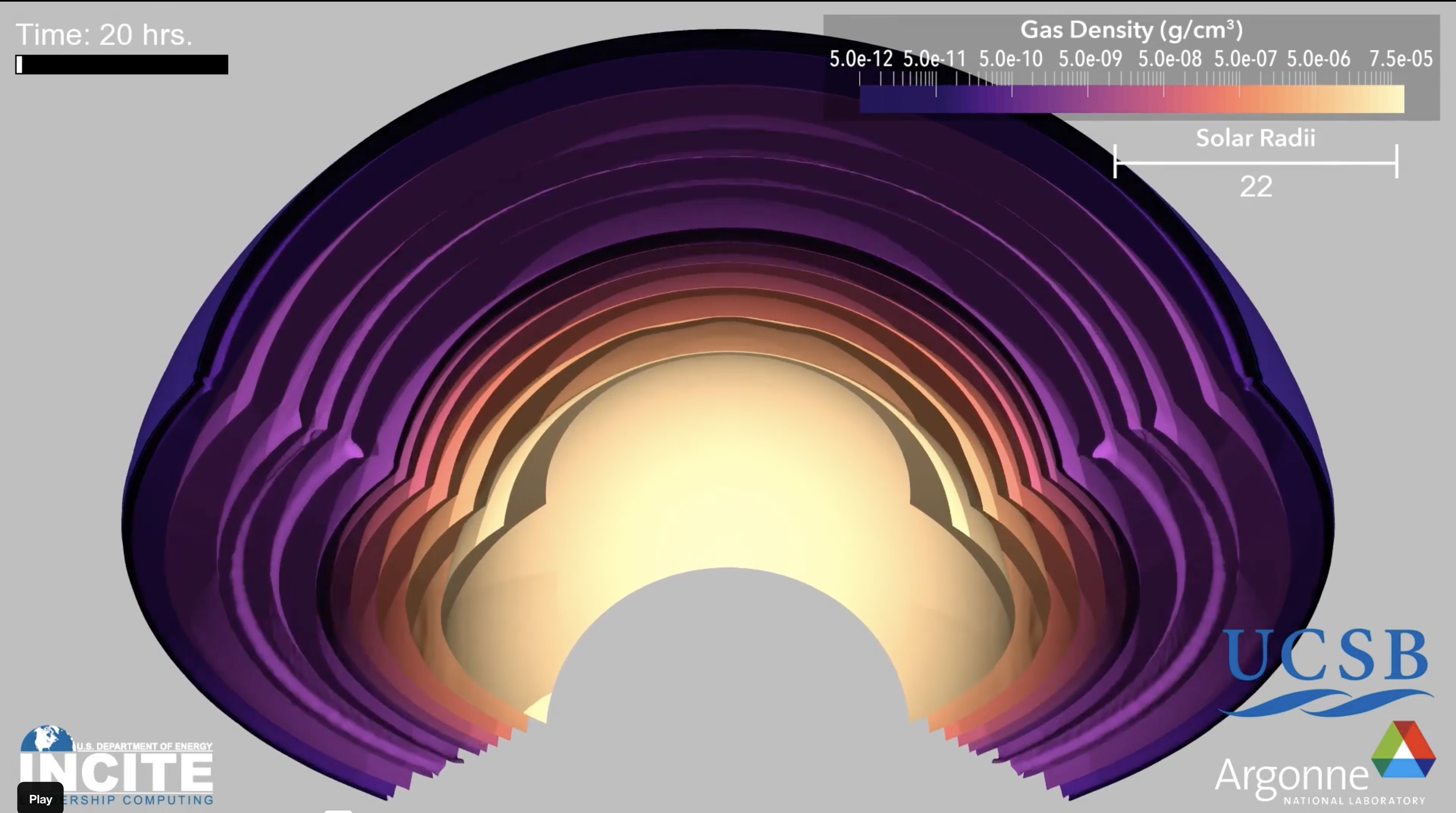
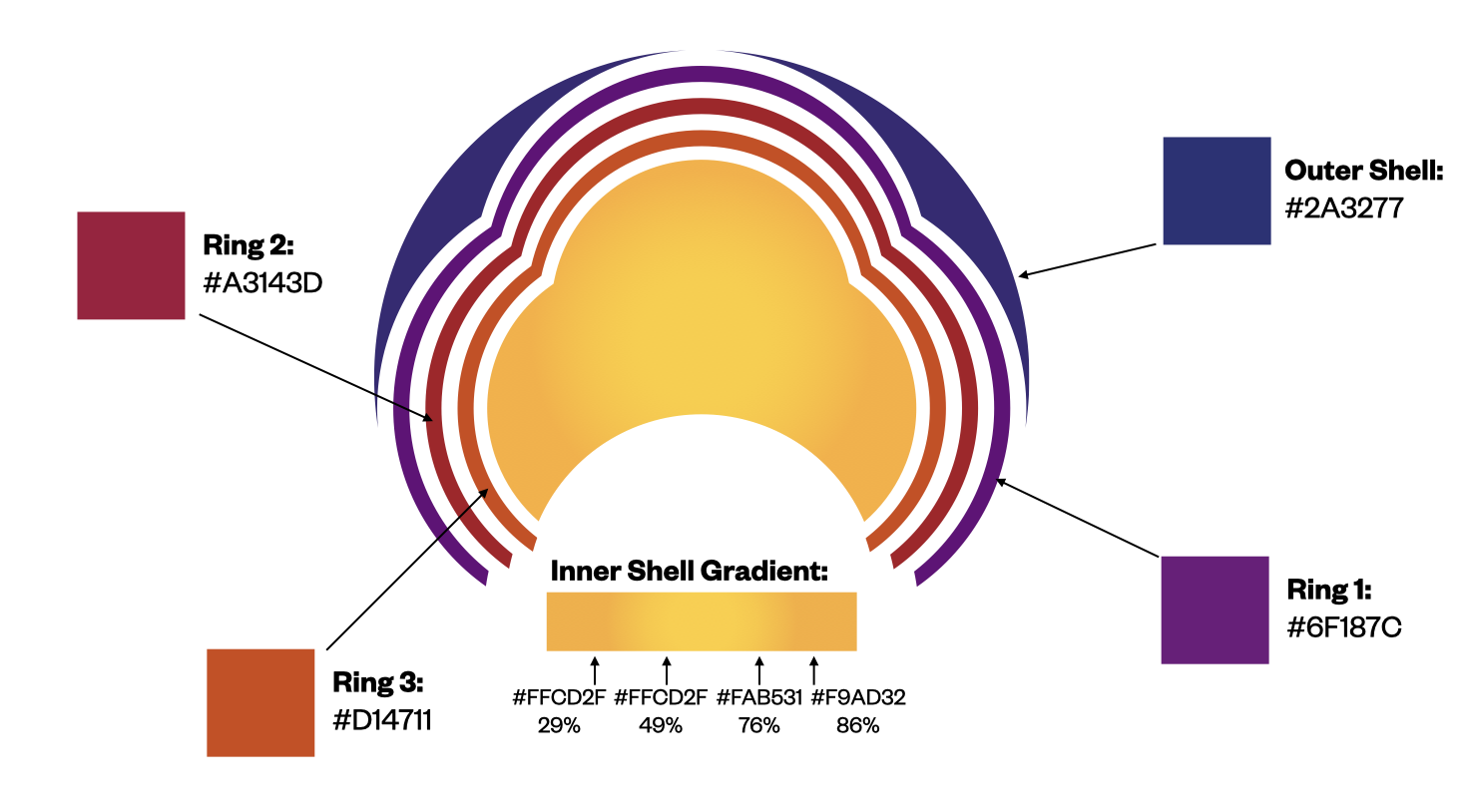
The logo is based on visual simulations of layers of gas density, as seen in this visual simulation. This is an early stage of the simulation, before gases have diffused.
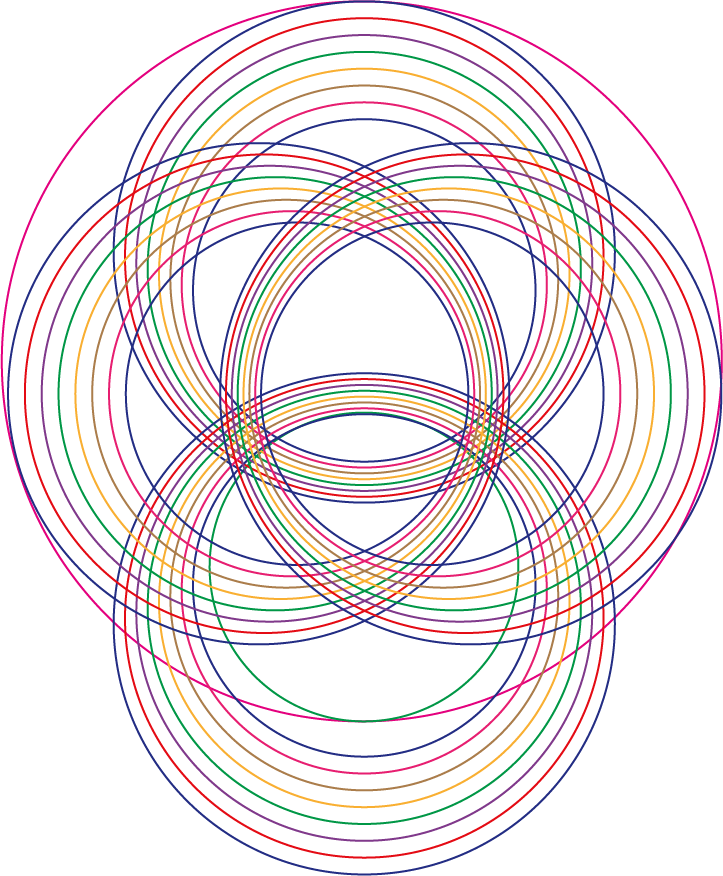
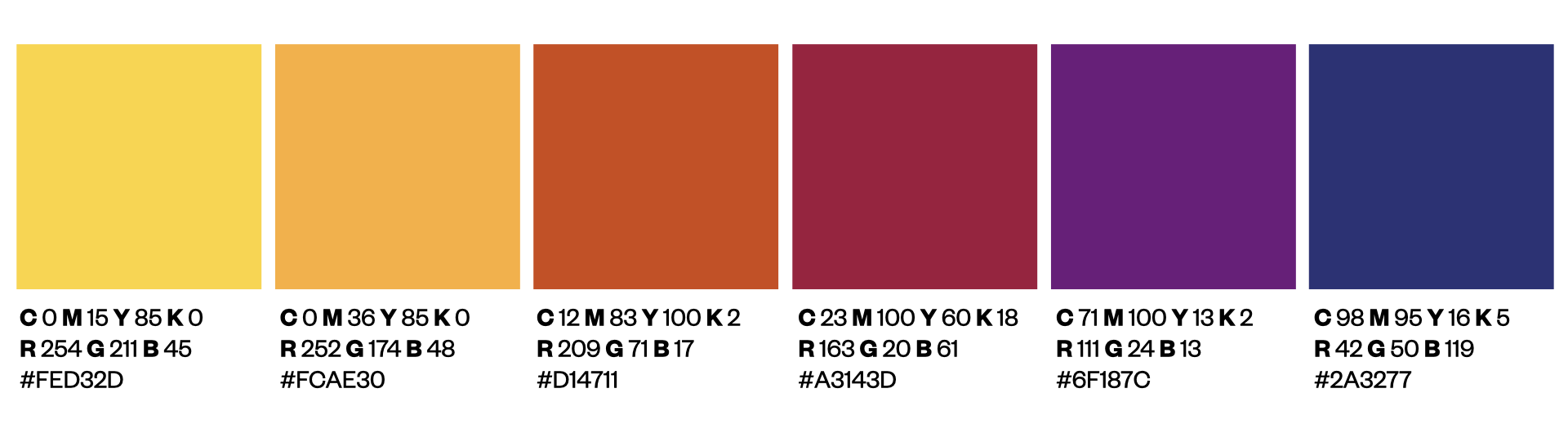
The mark is constructed with a geometric arrangement of circles, intersecting and cropping each other to create the “shells” of gases in a PASTA simulation.
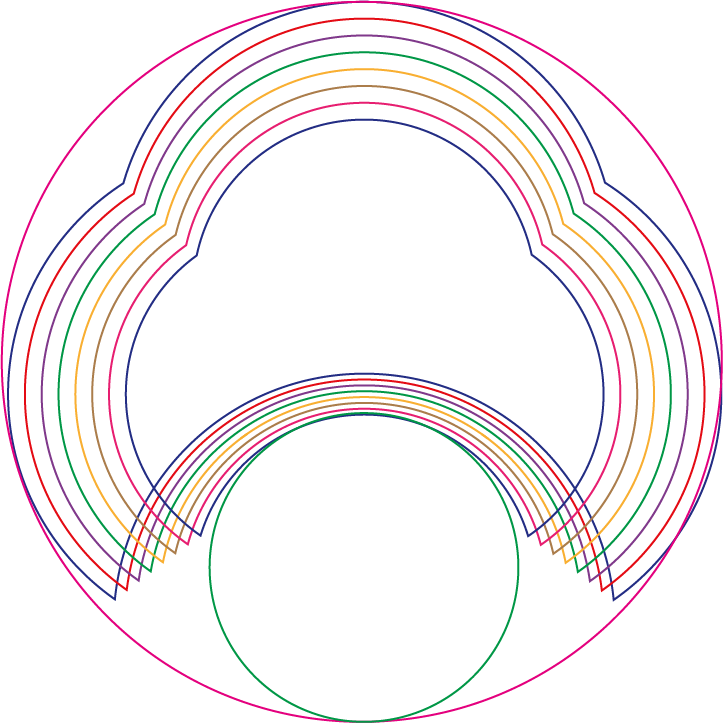
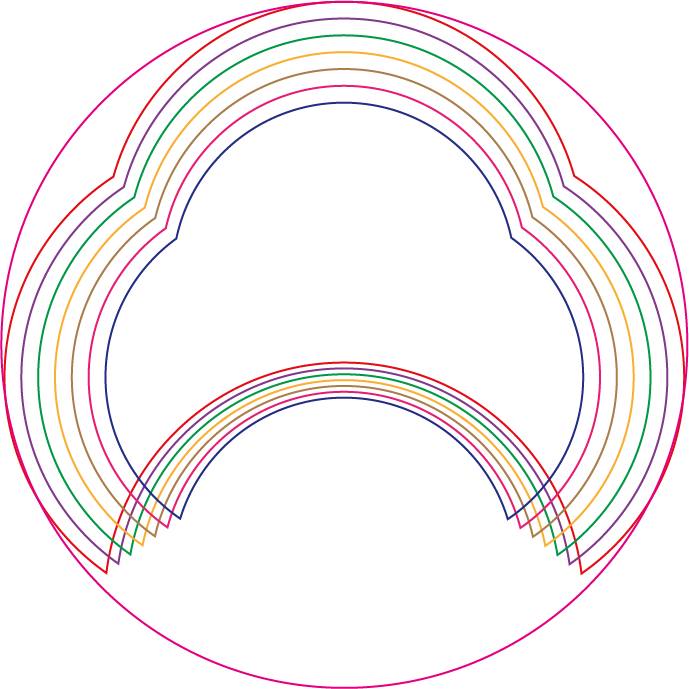

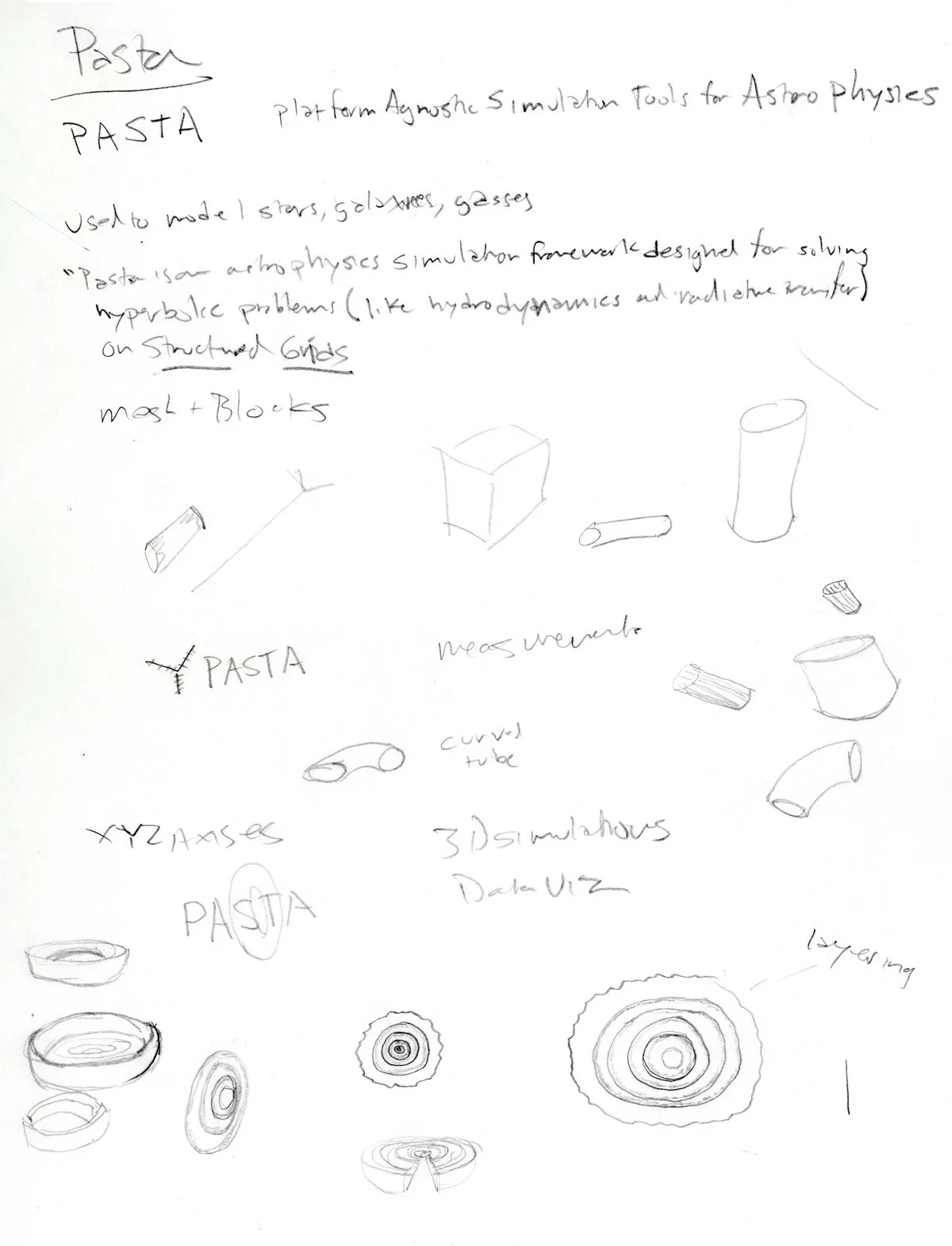
Process sketches
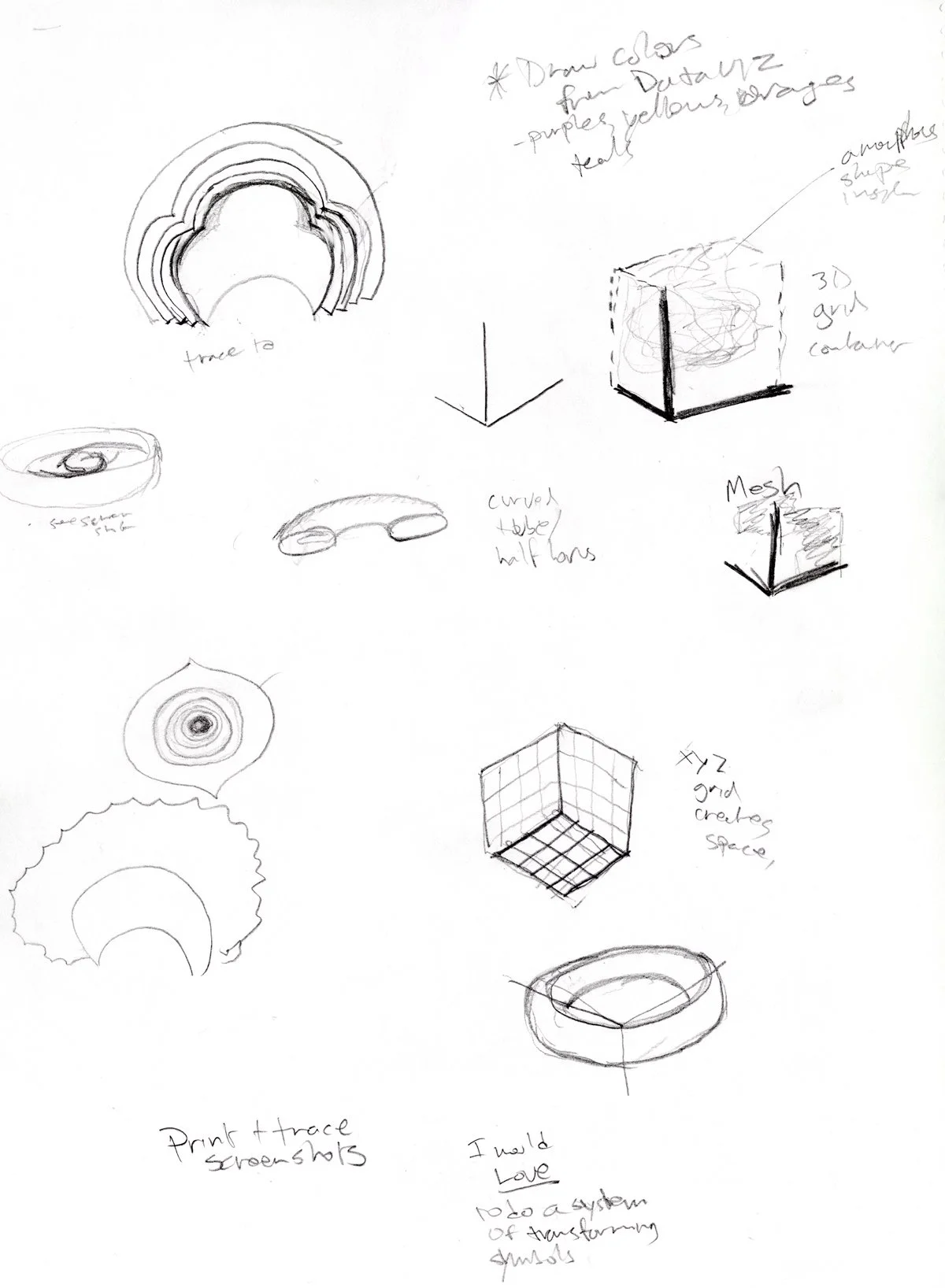
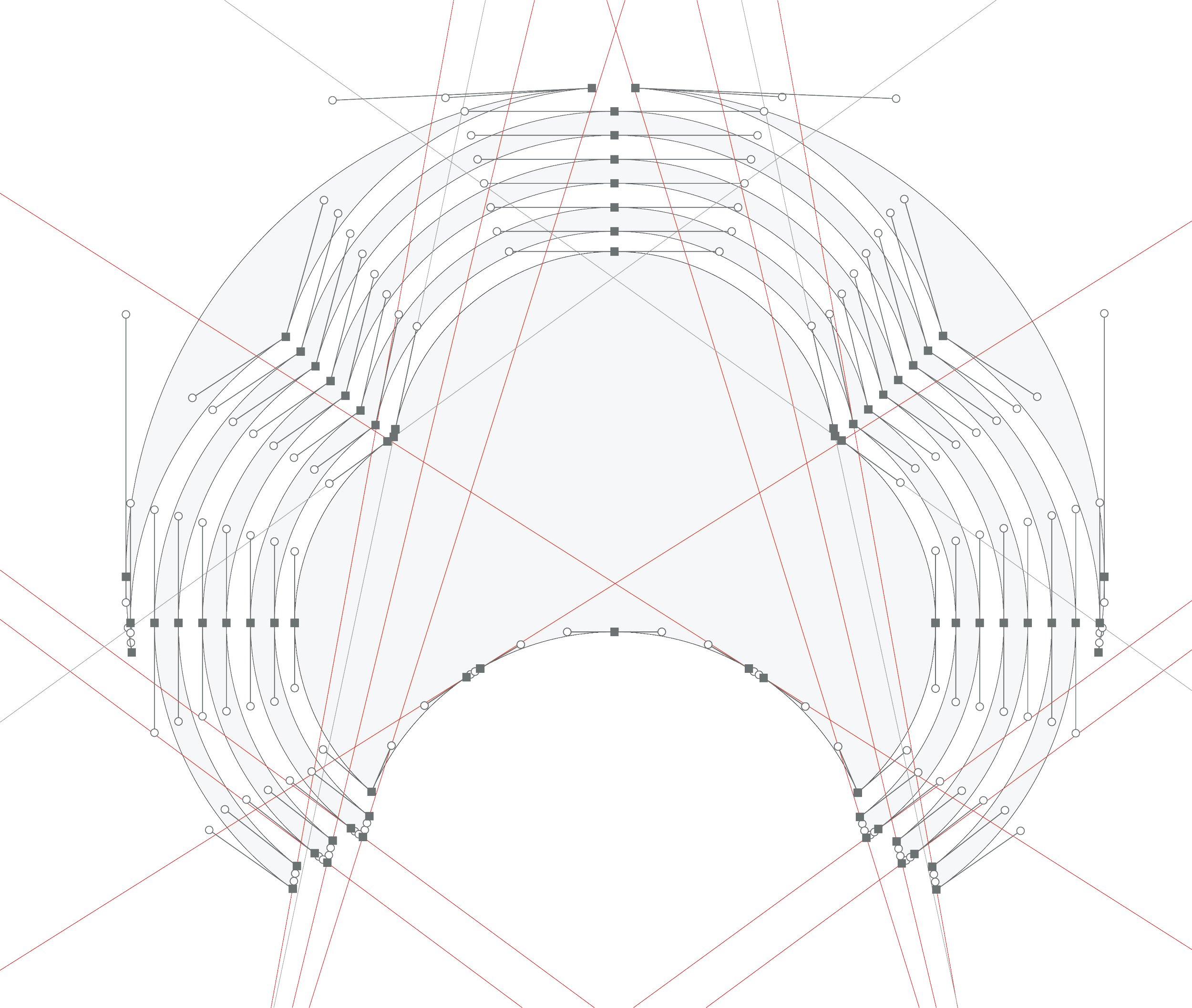
Logo grid
Masala
Developed by Flatiron Institute team led by scientist Vikram Mulligan, the Masala software suite uses machine learning methods trained on databases of protein sequences and structures for canonical protein design. It is a free, open-source set of C++ libraries structured for modern computing hardware. Masala features a family of modular plugin modules, which can be independently compiled and loaded.
To represent this software suite, Shift7.Studio designed the “bowl of spicy protein,” a system based on an arrangement of six dots representing protein molecules, connected in different configurations, as proteins are.





SANGRiA
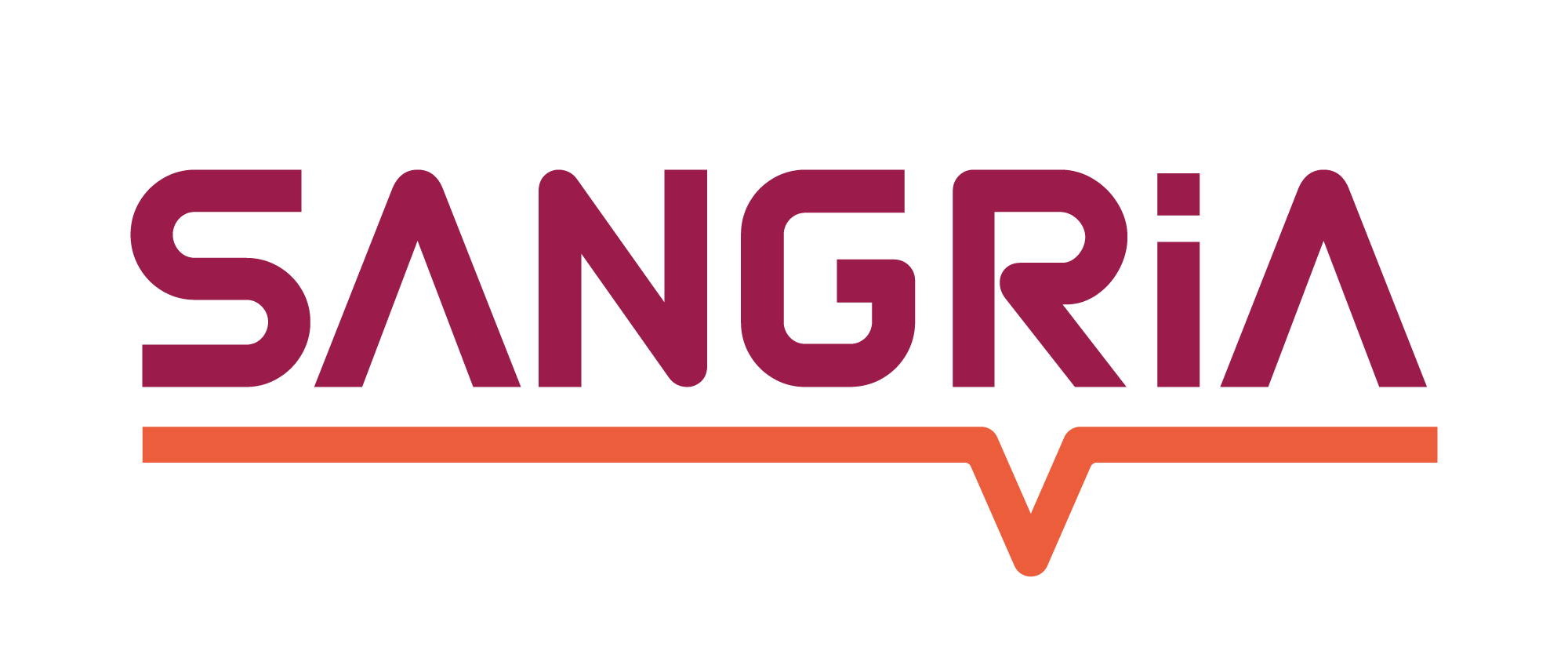
Short for Simulating Absorption of Neutral Gas for Radio Astronomy, SANGRiA is an advanced software platform used in the modeling of hydrogen radio jet luminosity, developed by scientists at the Flatiron Institute. Shift 7 Studio developed a wordmark that nods to the NASA “Worm” logo. The underline with the downward-pointing spike references the measurement of hydrogen by radio telescopes, which results in a dip in the spectrometer line.